Nothing
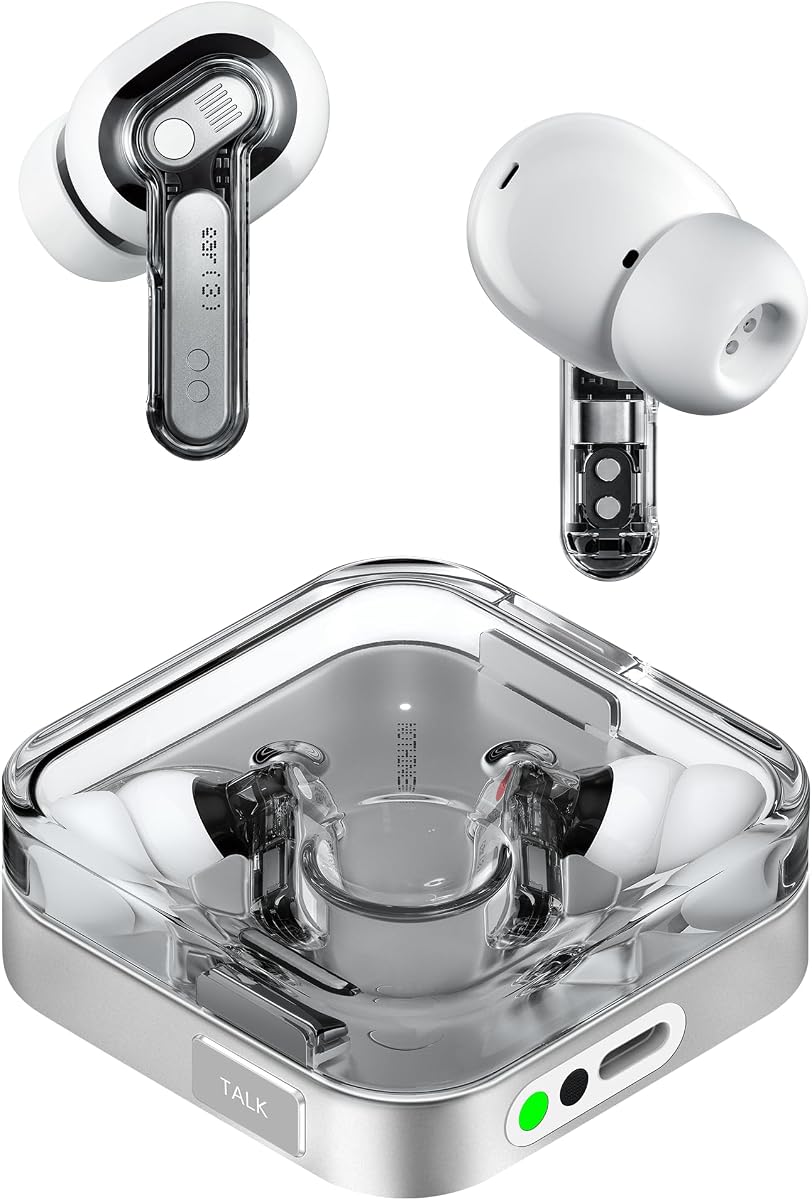
Nothing Ear (3) Wireless Earbuds, Adaptative Noise Cancelling In-ear Headphones with LDAC Hi-Res, Super Mic, IP54, Quick charge, Up to 38 hours of Battery Life, Android and iOS Compatible - White
As an Amazon Associate I earn from qualifying purchases.
View Nothing Ear (3) Wireless Earbuds, Adaptative Noise Cancelling In-ear Headphones with LDAC Hi-Res, Super Mic, IP54, Quick charge, Up to 38 hours of Battery Life, Android and iOS Compatible - White on AmazonYou pay the same either way.Specifications
| Codec | LDAC Hi-Res |
|---|---|
| Noise cancelling | Adaptive ANC |
| Water resistance | IP54 splash resistance |
| Battery | Up to 38 hours combined |
| Charging | Quick charge |
| Compatibility | Android and iOS |
Pros & cons
Pros
- LDAC Hi-Res support — uncommon in earbuds this compact — carries more detail from high-resolution tracks
- Adaptive ANC adjusts to your surroundings, and IP54 shrugs off splashes and sweat
- Up to 38 hours combined with quick charge keeps them going across Android and iOS
Cons
- The fuller experience is on Android rather than iOS
- iOS users miss some of what Android unlocks
Skip it if
Skip them if you are on iPhone and want every feature — the richer experience is on Android, though they do work with both.
How we assessed it
We synthesized this
The Ear (3) punches above its size on sound. LDAC Hi-Res support is uncommon in earbuds this compact, so high-resolution tracks arrive with more of their detail intact. Adaptive ANC adjusts to the noise around you, IP54 shrugs off splashes and sweat, and up to 38 hours of combined battery with quick charge means they rarely run flat. We recommend them for Android listeners who want hi-res audio and adaptive noise cancelling in a small, sweat-resistant package.
The honest trade-off: the fuller experience lives on Android — on iPhone they still pair and play, but you miss some of what the Nothing app and LDAC unlock. If you are firmly in Apple's world and want every feature, look elsewhere. Our assessment synthesises Nothing's documented specifications rather than our own listening or ANC test — see how we test.